

Craniosacral Therapy - 75 Min Gallery
$$MultiPurposeText$$
See examples of our Craniosacral Therapy - 75 Min work and results.



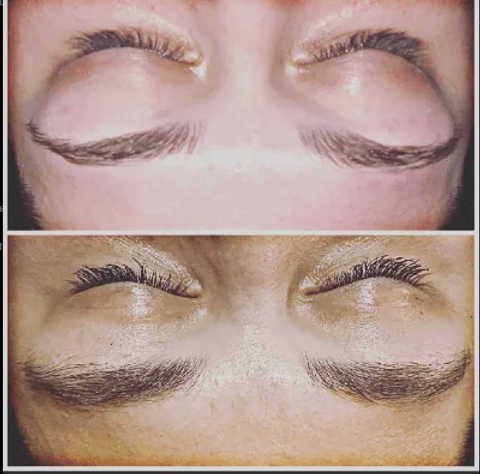
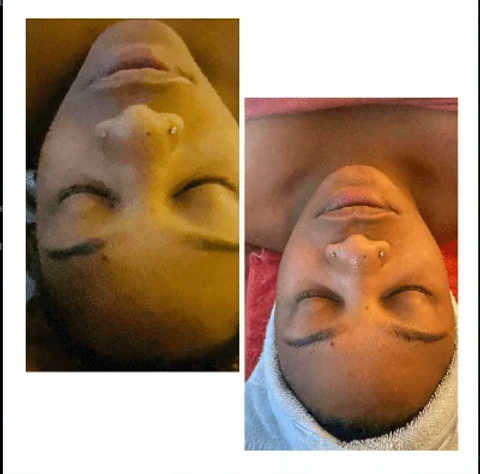

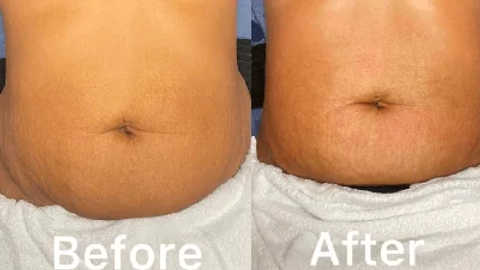

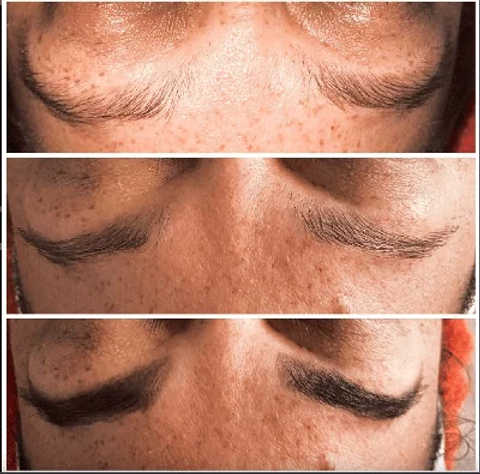


What Our Clients Say
$$MultiPurposeText$$
Read testimonials from our satisfied customers

Melissa is wonderful. She communicates what she’s doing throughout the session and she is ...more

I come to Phoenix periodically. And I see Melissa every time I’m here. Melissa is truly a ...more

You can tell that Melissa is passionate about helping people and loves what she does! I ha...more

Generous in her time and knowledge of how our body works and how it affects us in what we ...more

This review is long overdue. I’ve been seeing Melissa for over 5 months now, and every sin...more

Very knowledgeable and kind . Has more than just a business. She seems to really care abou...more

Frequently Asked Questions
Get answers to common questions about Craniosacral Therapy - 75 Min.
You will remain comfortably clothed while the therapist uses light, focused touch to assess cranial and sacral rhythms. Expect deep relaxation, subtle releases, occasional shifting sensations, and time for post-session feedback and self-care recommendations.
Wear loose, comfortable clothing and avoid heavy meals or stimulants beforehand. Hydrate, bring relevant medical history, and arrive a few minutes early to complete intake. Preparation helps you relax and get the most from the extended session.
Clients with chronic pain, persistent headaches, TMJ issues, post-concussion symptoms, stress-related tension, or sleep disturbances often benefit. The extended time supports deeper releases and is ideal for those seeking thorough, lasting relief.
Frequency varies by condition and response. Many clients begin with a series of 4–6 sessions spaced weekly or biweekly. Chronic or complex issues may require ongoing maintenance; your therapist will recommend a personalized plan.
Craniosacral work is typically gentle and noninvasive. Some clients experience mild soreness, emotional release, or transient sensations as tissues shift. Your therapist will adjust pressure and check in to ensure comfort throughout the session.
Contraindications include recent head trauma, uncontrolled bleeding disorders, acute infections, unstable fractures, or certain vascular conditions. Inform your therapist of medical history; physician clearance may be required in some cases.